Eco Star Glazing
000
0800 246 5557 info@ecostarglazing.co.uk 114 Manningham Lane, Bradford BD8 7JF
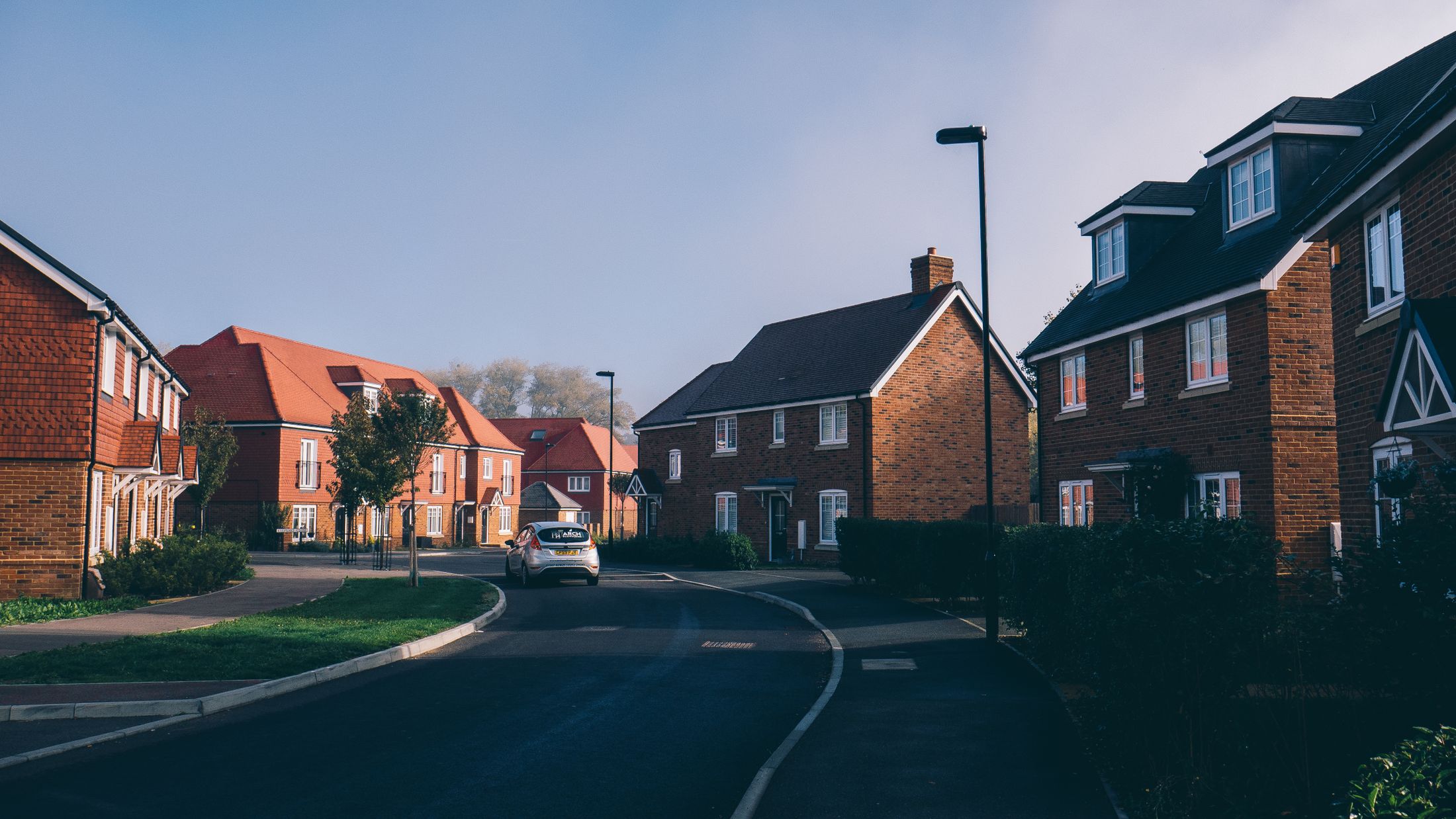
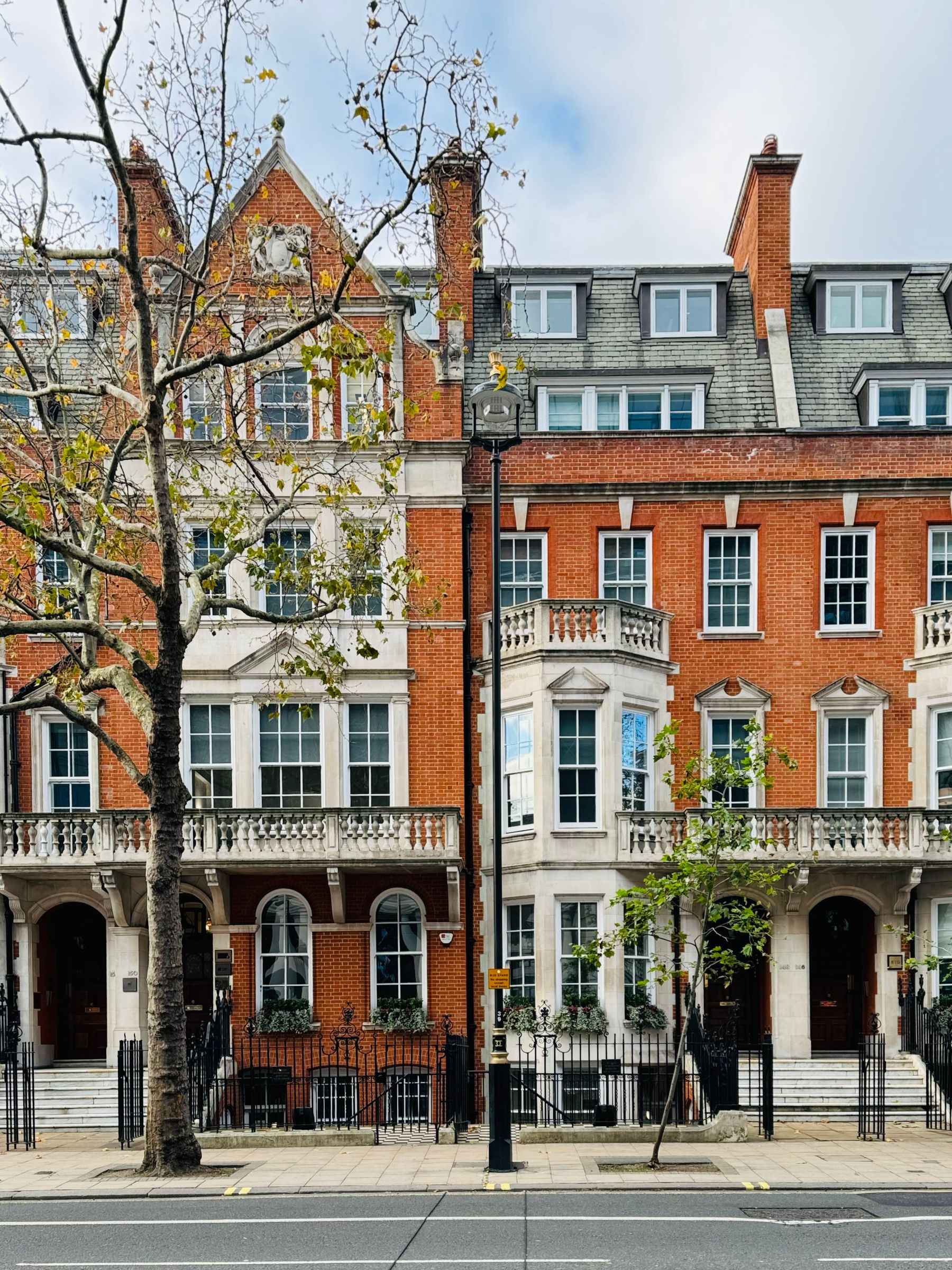
A quiet English suburban street lined with red-brick houses at first light
Home/Windows

Windows that earn their place in the wall.

Casement, flush, tilt & turn, sliding sash, bay and bow — all A-rated as standard, all surveyed and fitted by our own team.

The sealed unit

Four faces of glass. Only one of them does the work.

Glass panelled wall catching daylight
Scroll to take the unit apart
Face 1 — outside

4mm float glass, facing the weather.

The outer pane takes the rain, the grit and the sun. It's ordinary annealed float glass unless you ask for toughened or laminated — which we'd recommend at low level, on doors, and anywhere a child could run into it.

4mm floatToughened optionLaminated option
The cavity

16mm of argon, not air.

Argon is denser and moves more slowly than air, so it carries less heat across the gap by convection. Sixteen millimetres is the sweet spot — go wider and the gas starts circulating, which undoes the benefit.

16mm cavityArgon filled90%+ fill rate
Face 3 — low-E

A metal coating you can't see.

A soft-coat low-emissivity layer, a few atoms thick, sits on the cavity side of the inner pane. Short-wave solar radiation passes straight through it. Long-wave heat radiating off your radiators hits it and bounces back into the room.

Soft-coat low-ESolar gain retainedOptically clear
The perimeter

Warm-edge spacer, dual seal.

An aluminium spacer would conduct cold straight round the edge of the unit and give you condensation on the corners. Ours are warm-edge composite, with a desiccant core that keeps the cavity dry and a dual butyl/polysulphide seal that keeps the argon in.

Warm-edge spacerDesiccant coreDual sealed

Styles

Six ways to open a hole in a wall.

Style is mostly about the building. We'll tell you what suits a stone-built terrace and what suits a 1990s semi — and we won't upsell you a sash window your frontage doesn't want.

Warm interior looking out through a casement window

Casement

The workhorse. Side or top hung, opens outward on friction stays. Best seal of any style because the sash compresses into the frame as it locks.

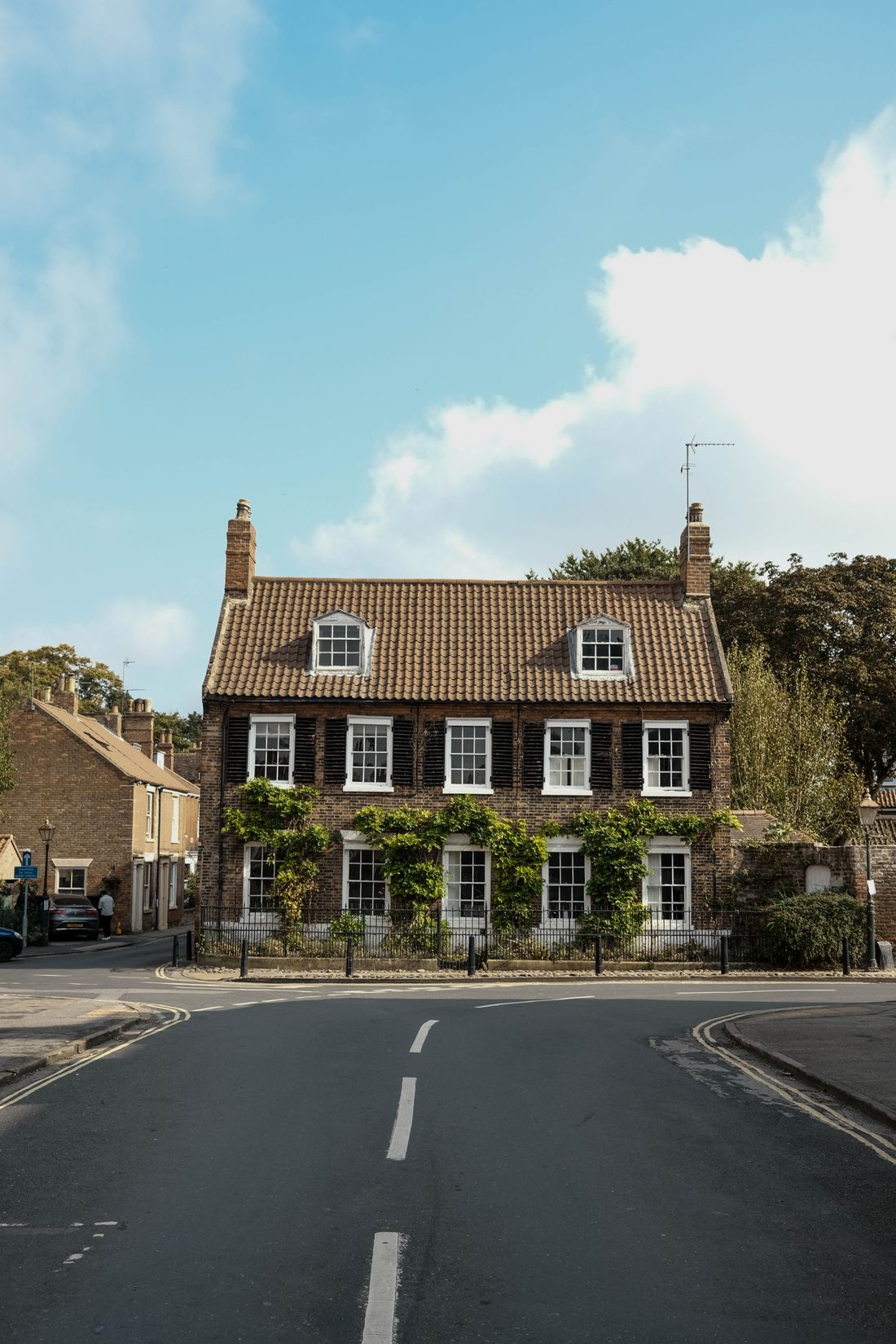
A brick house with ivy across the facade in a quiet English neighbourhood

Flush casement

The sash sits level with the frame instead of proud of it, so it reads like a painted timber window. The right answer for period and conservation-adjacent properties.

Modern architecture with large windows in an urban setting

Tilt & turn

One handle, two actions: tilt in at the top for secure background ventilation, or swing fully inward to clean the outside from indoors. Ideal above ground floor.

Victorian terraced houses with sash windows under a clear sky in England

Sliding sash

Vertical sliders with spiral balances and tilt-in sashes for cleaning. Run-through horns and astragal bars available if you're matching a Victorian frontage.

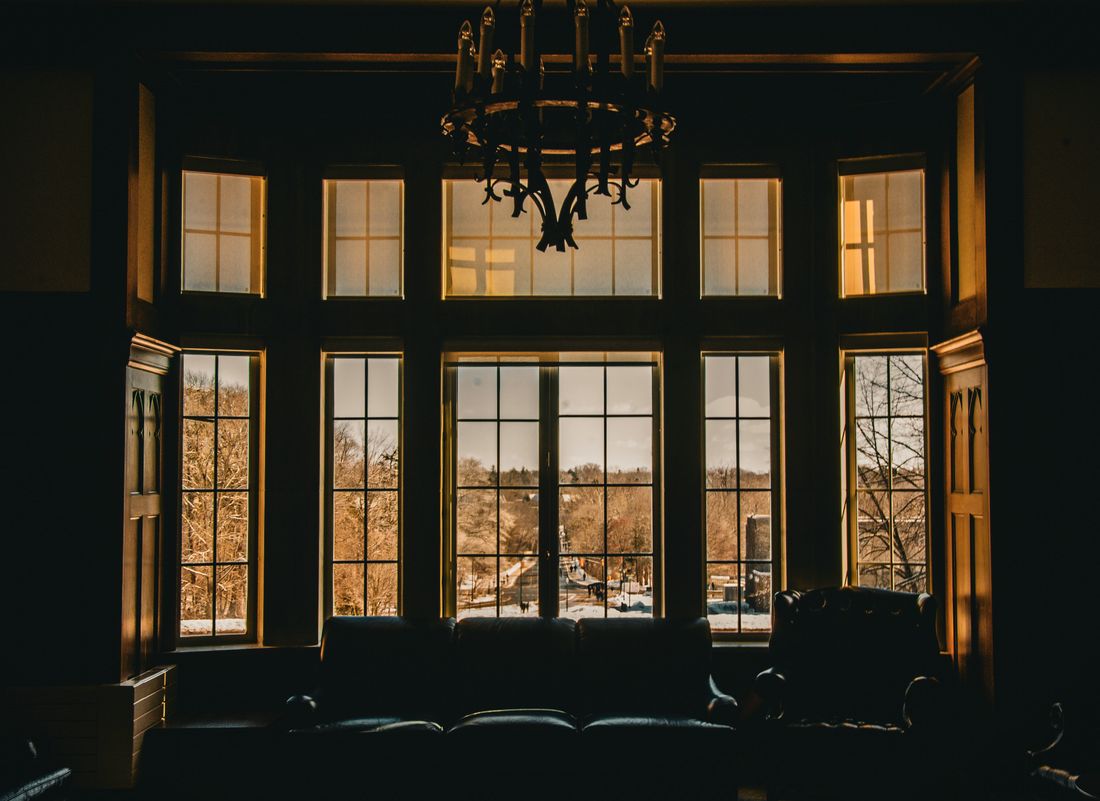
Spacious living room with a wide bay of windows and an outdoor view

Bay & bow

Square, splayed or five-facet bow. We check the load path first — if the bay is carrying roof above it, it gets a structural pole, not a hope.

Modern apartment interior with a large fixed picture window

Fixed & picture

No sash, no hardware, the slimmest sightline available and the best thermal figure on the page. Pair one with an opener next to it for ventilation.

Glass & sealed units

Choose the glass, not just the frame.

Two identical-looking windows can perform completely differently depending on what's between the panes. Ours is written on your quote.

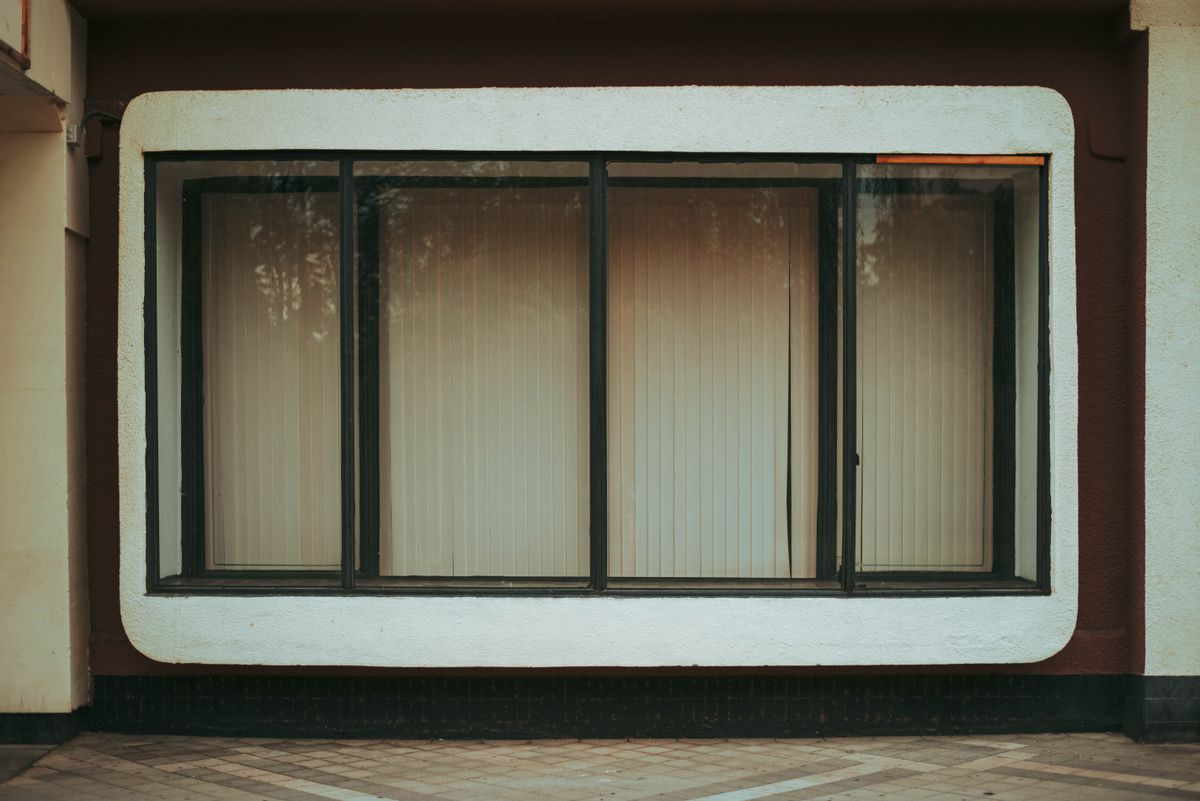
Glass panelled wall with vertical blinds catching daylight Sealed units made to your survey
Heat-treated so it's four to five times stronger than annealed float, and breaks into blunt granules rather than shards. Required by Building Regulations in critical locations — doors, side panels, and any pane below 800mm from floor level.
Two panes bonded to an interlayer. If it breaks, the fragments stay stuck to the plastic — so the hole stays closed. Worth specifying on ground-floor and accessible windows for security as much as safety.
Bathrooms, en-suites, and anywhere overlooked. Privacy levels run 1 to 5 — level 5 being fully obscure. We'll bring samples to the survey, because the pattern names tell you nothing until you hold one up.
An asymmetric build — different pane thicknesses either side of the cavity, plus an acoustic interlayer. Because the two panes resonate at different frequencies, they cancel rather than amplify. The right call on a main road.
A photocatalytic coating breaks down organic dirt in daylight, and the outer surface is hydrophilic so rain sheets off instead of beading. Genuinely useful on high or awkward-to-reach openings. It reduces cleaning; it doesn't abolish it.
If your frames are sound but the units have blown, you don't need new windows — you need new glass. We measure, make and swap the sealed units into your existing frames, usually for a fraction of a full replacement. Ask us before anyone quotes you a whole house.

What's on a standard Eco Star window

ElementSpecification
Profile70mm multi-chambered uPVC, galvanised steel reinforced
Sealed unit4mm / 16mm argon / 4mm low-E, warm-edge spacer
Energy ratingA rated as standard, A+ and A++ available
U-value1.2 W/m²K typical whole-window
LockingMulti-point espagnolette, shootbolt, internally beaded
HardwareStainless friction stays, 20 year hardware cover
FinishesWhite, cream, anthracite grey, black, Irish oak, rosewood
Guarantee20 years on frames, units and hardware
Light, once it's in

What the room does afterwards.

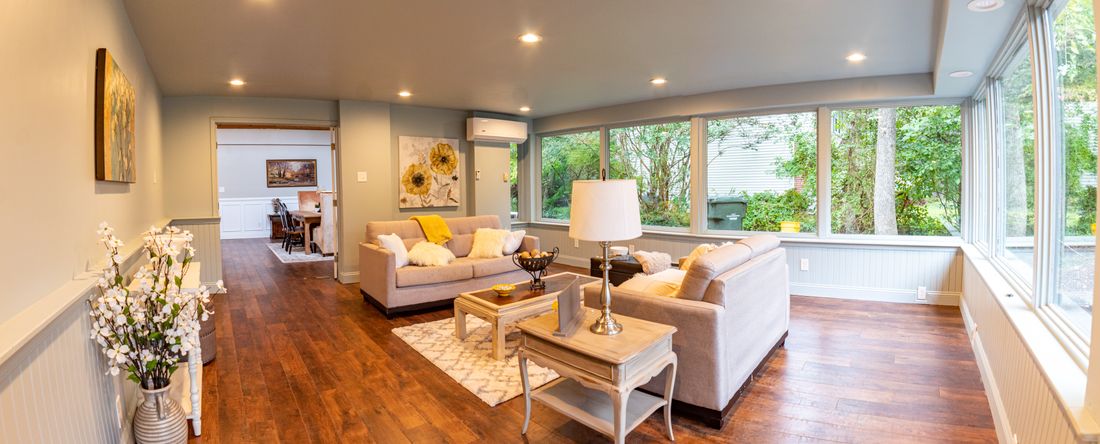
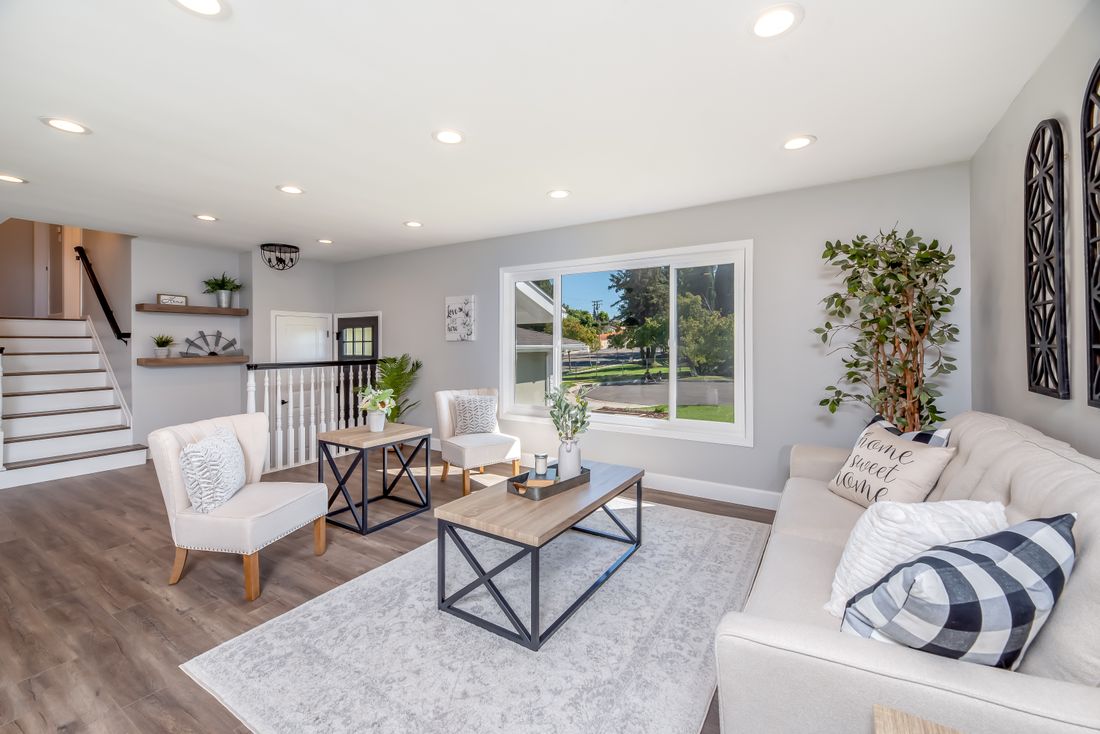
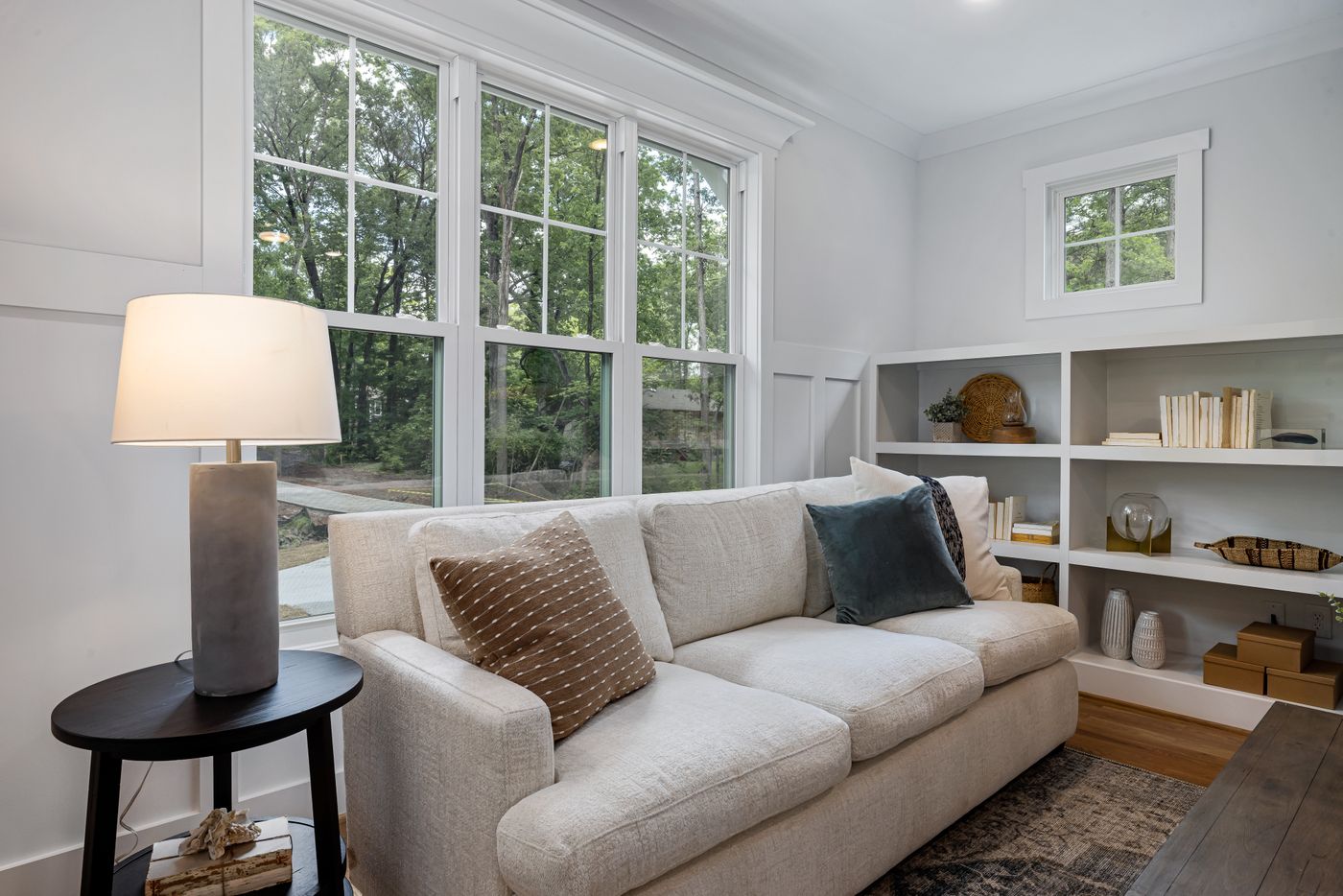
Bright inviting living room with cosy sofas and large windows
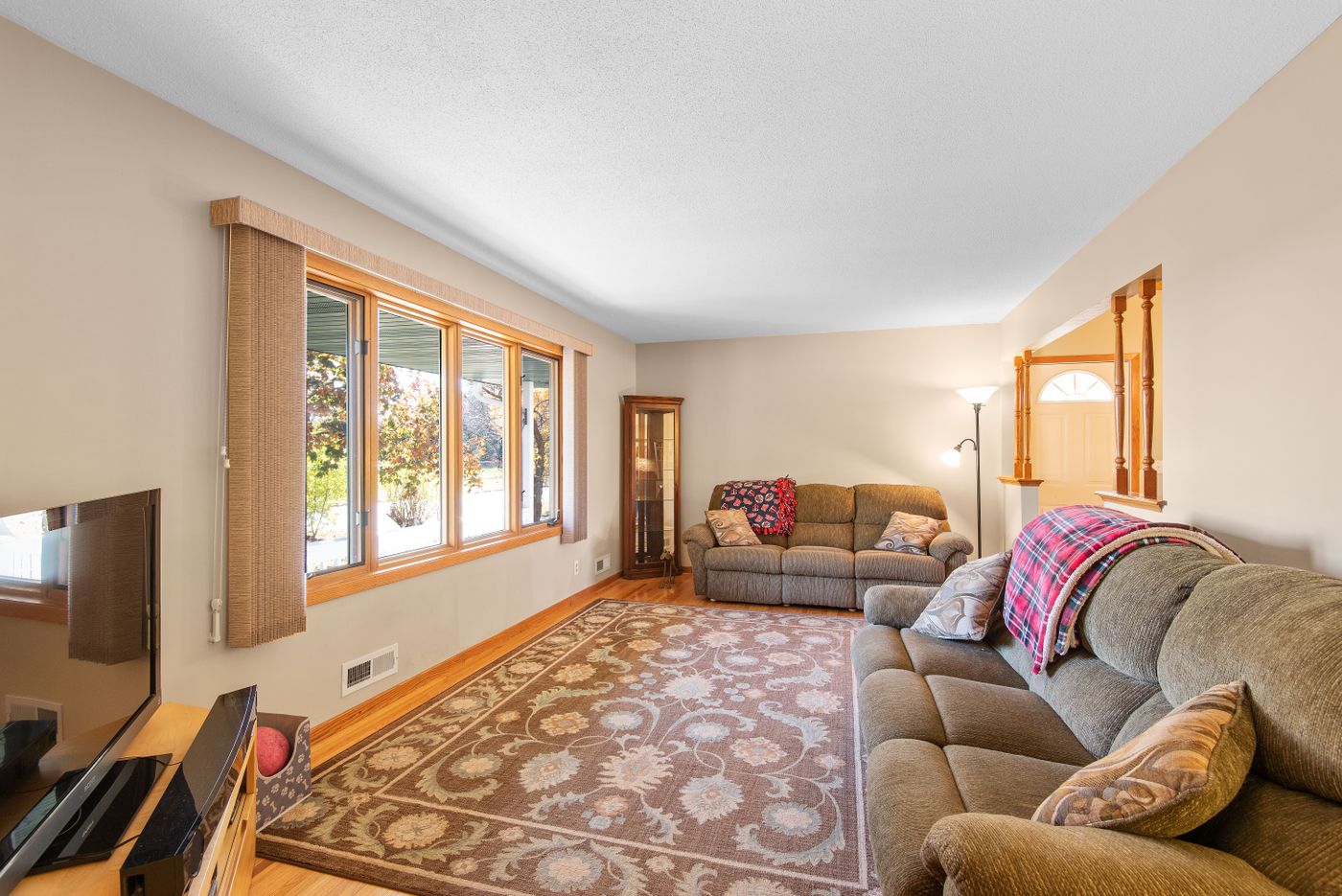
Living room with large windows, modern decor and wooden flooring
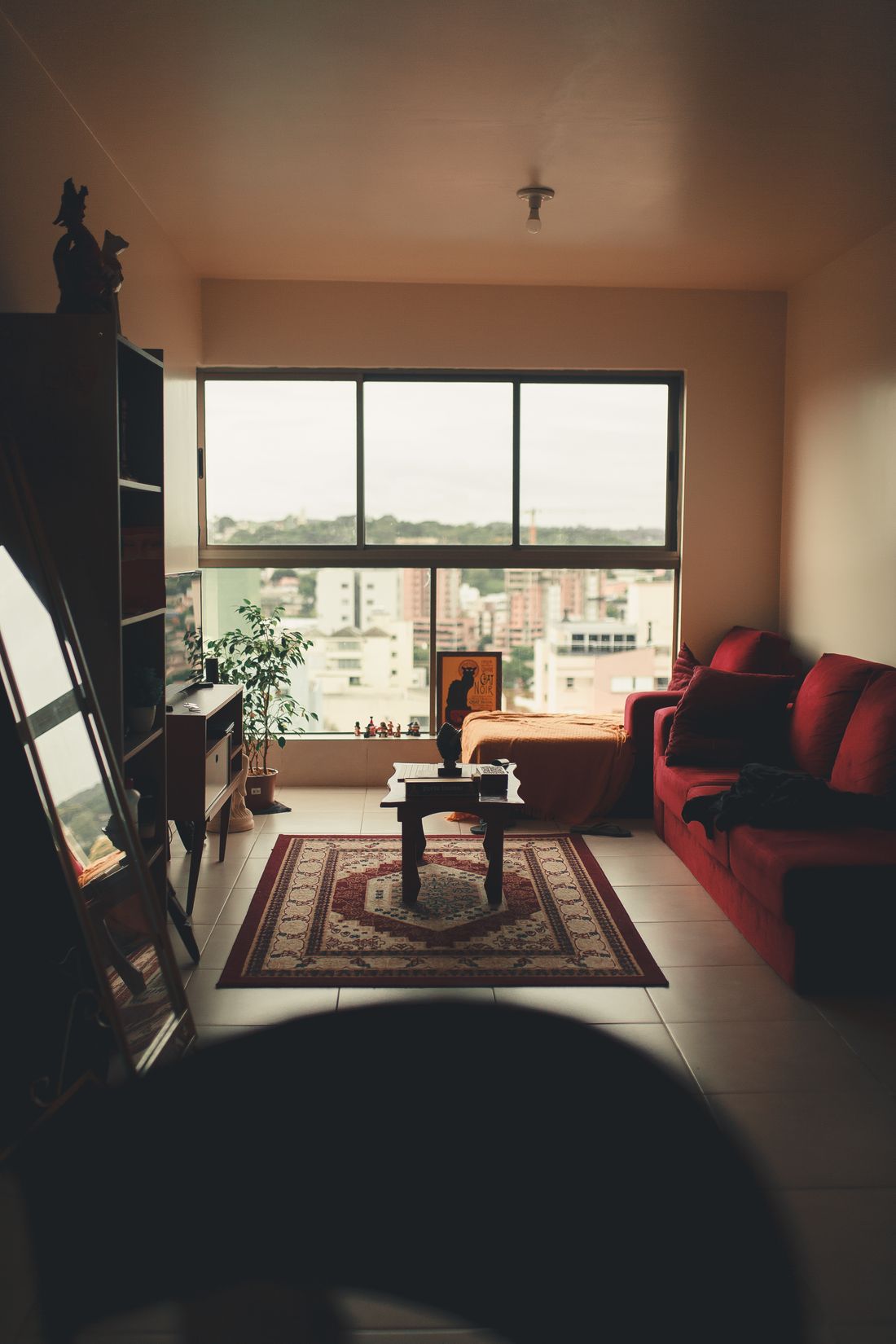
Contemporary living room with a large window and a scenic view
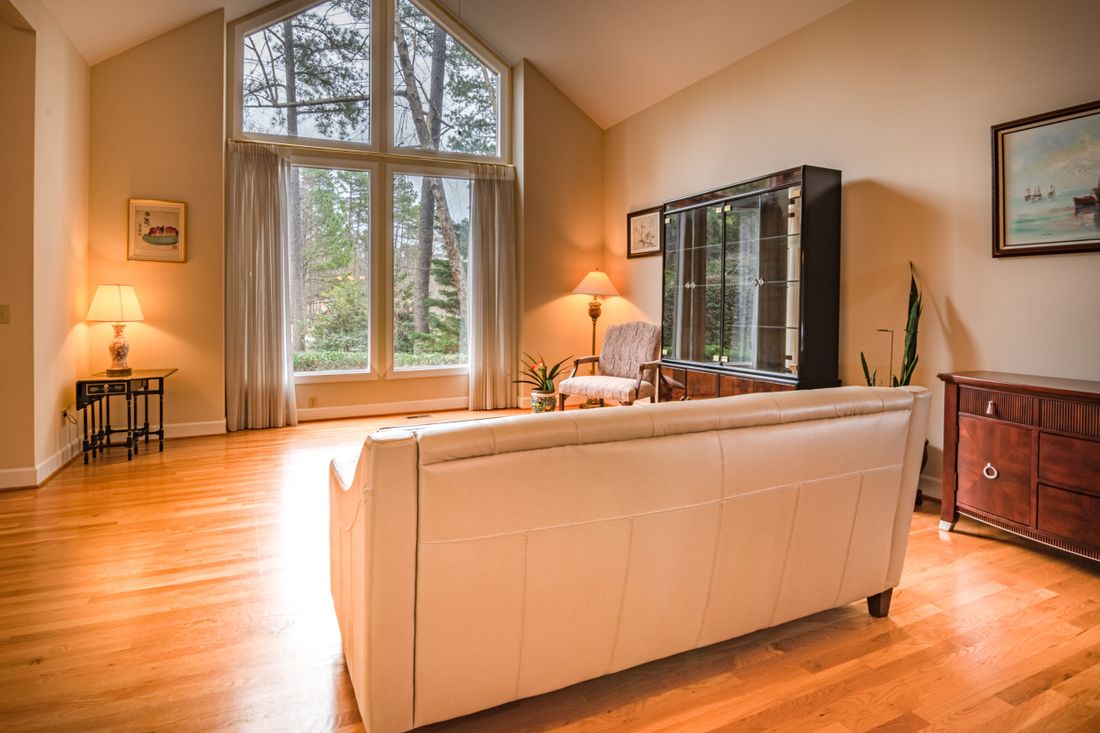
Inviting living room featuring a cosy sofa and large windows
Free survey · Written quote

Tell us the rooms. We'll price the lot.

WhatsApp us